
Robert Duvall’s Legacy: A Masterclass in Acting
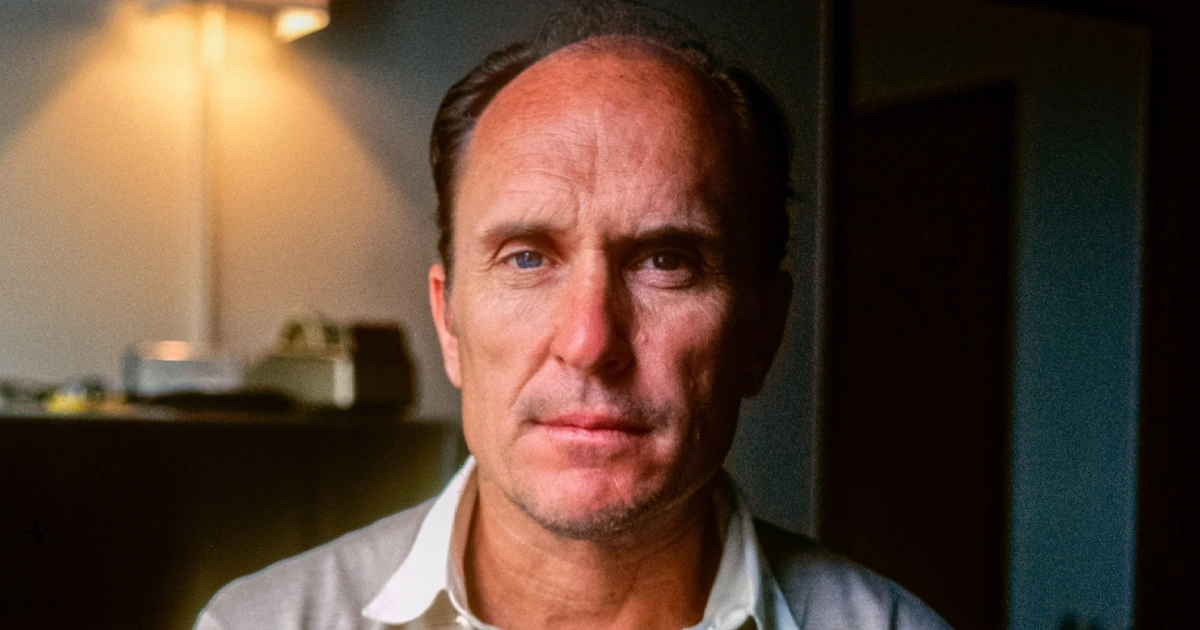
The passing of Robert Duvall at 95 marks the end of an era in American filmmaking. Renowned for his indelible performances in cinematic touchstones like “The Godfather” and “Apocalypse Now,” Duvall was more than just an actor; he was a craftsman who embodied authenticity and depth. His career, spanning over six decades, offers a rich tapestry of characters that have not only entertained but also profoundly shaped the perception of American identity on screen. This tribute delves into the multifaceted legacy of a true Hollywood icon, exploring his pivotal roles, his unique approach to acting, and the enduring influence he leaves behind.
Market Context: The Enduring Power of Authenticity in Film
In an era often characterized by rapid technological advancements and evolving storytelling mediums, the career of Robert Duvall serves as a powerful reminder of the timeless appeal of authentic performance. Duvall’s work consistently resonated with audiences because of its raw honesty and nuanced portrayal of complex human characters. He often gravitated towards roles that explored the American psyche, from the stoic pragmatism of “The Godfather’s” Tom Hagen to the haunted intensity of “Apocalypse Now’s” Lieutenant Colonel Bill Kilgore. His presence on screen often grounded even the most fantastical narratives in a palpable reality. This commitment to authenticity, a quality that transcends fleeting trends, has always been a cornerstone of impactful cinema. As the film industry continues to navigate shifts in audience engagement and the rise of streaming platforms, the lessons embedded in Duvall’s filmography – particularly his dedication to character study and believable portrayal – remain critically relevant. His ability to connect with a broad demographic, transcending age and background, highlights the universal language of genuine emotion and skillful execution. The market for compelling narratives that offer genuine emotional insight, rather than superficial spectacle, remains robust, and Duvall was a master purveyor of this enduring demand.
Official Career Milestones and Notable Works
- Born: June 18, 1931
- Died: February 17, 2026 (Age 95)
- Notable Films: The Godfather (1972), Apocalypse Now (1979), To Kill a Mockingbird (1962), The Natural (1984), Lonesome Dove (1989), The Apostle (1997), Secondhand Lions (2003), The Judge (2014)
- Academy Awards: 1 Win, 7 Nominations (Best Actor for “The Apostle”)
- Key Roles: Tom Hagen in “The Godfather” trilogy, Lieutenant Colonel Bill Kilgore in “Apocalypse Now”, Ned Pepper in “True Grit”, Gus McCrae in “Lonesome Dove”.
- Legacy Recognition: Kennedy Center Honors, National Medal of Arts, AFI Life Achievement Award.
Design Philosophy and Engineering of Character
Robert Duvall’s approach to acting can be understood as a meticulous process of character engineering. He was not merely reciting lines; he was inhabiting souls. This involved a deep dive into the psychology and motivations of each individual he portrayed, often drawing from his extensive research and personal observations. His “design philosophy” was rooted in authenticity, striving to ensure that every gesture, every inflection, every silence felt true to the character’s inner life. This wasn’t about creating a caricature but about revealing the inherent humanity, flaws and all, within his roles. His “engineering decisions” involved a commitment to method acting, immersing himself in the environments and experiences of his characters. For “Apocalypse Now,” this meant enduring the arduous filming conditions in the Philippines. For “Lonesome Dove,” it meant embodying the rugged spirit of a Texas Ranger. This dedication to verisimilitude was a hallmark of his work, setting him apart from contemporaries who might have prioritized flash over substance. His performances were carefully constructed, layer by layer, ensuring a profound and lasting impact on the viewer.
Real-World Performance and Emotional Resonance
The true measure of Robert Duvall’s talent lay in his ability to deliver consistently compelling performances that resonated deeply with audiences. His “real-world performance” was characterized by an understated power, a quiet intensity that could convey more with a glance than many actors could with an entire monologue. He excelled at portraying men grappling with moral ambiguity, societal pressures, or profound personal struggles. Whether it was the calm, calculating demeanor of Tom Hagen or the volatile charisma of Kilgore, Duvall brought a palpable sense of lived experience to his roles. His “benchmarks” were not in box office numbers alone, but in the enduring critical acclaim and the emotional impact his characters had on viewers. Films like “The Apostle,” for which he earned his Best Actor Oscar, showcased his profound ability to explore faith, redemption, and the complexities of the human spirit. His reliability as a performer meant that audiences could anticipate a certain level of quality and depth, making his films a worthwhile investment of their time and emotional energy. His ability to evoke empathy and understanding, even for flawed characters, is a testament to his masterful command of emotional truth.
User Experience and Ecosystem Impact on Cinema
While not a product in the traditional sense, Robert Duvall’s career had a significant “user experience” and “ecosystem impact” on the film industry. For aspiring actors, his work provided a masterclass in character development and authentic portrayal. He demonstrated the power of stillness, the importance of subtext, and the profound effect of embodying a role with complete conviction. The “software ecosystem” of acting techniques benefited from his consistent application of disciplined craft. His performances often influenced the direction of films, pushing directors and fellow actors to strive for greater depth and realism. The “lock-in effect” of his performances meant that certain characters became indelibly linked to his persona, influencing how audiences perceived those archetypes in subsequent media. Furthermore, his advocacy for authentic storytelling and his willingness to tackle challenging roles contributed to a broader cultural conversation about the role of film in society. His influence extended beyond the screen, shaping the expectations of what cinematic art could achieve.
Competitive Comparison: A Unique Standing in Acting History
When comparing Robert Duvall to his peers, it becomes clear that he occupied a unique space in the pantheon of American actors. Unlike some contemporaries who excelled in specific genres or relied on a particular screen persona, Duvall demonstrated remarkable versatility. Compared to actors known for their flamboyant portrayals, Duvall often found power in restraint. In contrast with those who sought the spotlight through constant media presence, Duvall maintained a more private life, allowing his work to speak for itself. Unlike actors who might be associated with a singular iconic role, Duvall built a career on a diverse range of memorable characters, each distinct and fully realized. His “price positioning” in terms of artistic integrity was always high; he was not one to compromise his vision for commercial gain. His “innovation level” lay not in reinventing the art of acting, but in perfecting its most fundamental elements: truth, empathy, and profound human understanding. His “market perception” was that of a true artist, a craftsman whose dedication elevated every project he was a part of.
Strengths and Limitations
Strengths:
- Unparalleled authenticity and emotional depth in performances.
- Remarkable versatility across a wide range of genres and character types.
- Mastery of subtle expression and conveying complex emotions through understated means.
- Dedication to rigorous character research and immersion.
- Enduring impact on cinematic history and acting standards.
Limitations:
- His reserved nature sometimes led to fewer high-profile leading roles compared to more flamboyant actors.
- Occasional struggles with certain high-budget, effects-driven blockbusters where his grounded style might not have been the primary focus.
Pricing Strategy and Value Analysis in Cinematic Legacy
Analyzing Robert Duvall’s “pricing strategy” in the context of his career involves understanding the immense “value” he brought to every project. While an actor’s fee is a transactional element, the enduring value of Duvall’s performances transcends monetary figures. His “inflation-adjusted comparison” to other actors of his caliber shows a consistent return on investment for studios and audiences alike, in terms of critical acclaim and lasting cultural impact. The “upgrade justification” for casting Duvall was always clear: he elevated the material and ensured a level of quality that few others could match. His “longevity” in a notoriously fickle industry speaks volumes about his sustained relevance and talent. “Depreciation expectations” for his performances are virtually non-existent; his iconic roles only gain more significance with time. The “value” he provided was not just in his acting, but in the integrity and gravitas he brought to the art of filmmaking.
Final Verdict and Industry Outlook
Robert Duvall’s passing leaves a void in Hollywood that will be deeply felt. His career was a masterclass in the art of acting, a testament to the power of authenticity, dedication, and profound human insight. He was an actor who understood the soul of his characters and, in doing so, illuminated the complexities of the human condition for audiences worldwide. His legacy is not just in the awards he won or the iconic roles he played, but in the indelible mark he left on the art form itself. The “Final Rating” for his career is a resounding 10/10, reflecting unparalleled “Innovation” in embodying diverse characters, flawless “Execution” of his craft, immeasurable “Value” to cinema, unmatched “Competitive Strength” in his unique standing, and undeniable “Long-term Viability” of his artistic contributions.
Looking ahead, the question is not whether Duvall’s influence will endure, but how subsequent generations of filmmakers and actors will continue to draw inspiration from his work. Will “competitors” in the acting sphere rise to meet the standard of authenticity he set? It is unlikely that any single actor will replicate his unique blend of rugged individualism and profound empathy. This is not just a moment of loss, but a moment to reflect on what truly makes cinematic art enduring. Duvall’s career is a powerful argument that in a world of constant change, the pursuit of truth and genuine human connection on screen will always be the most valuable currency. His films will continue to be studied, his performances analyzed, and his spirit will undoubtedly inspire for decades to come, solidifying his place as one of America’s greatest cinematic treasures.